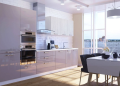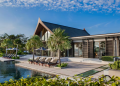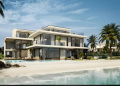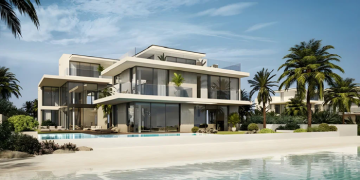







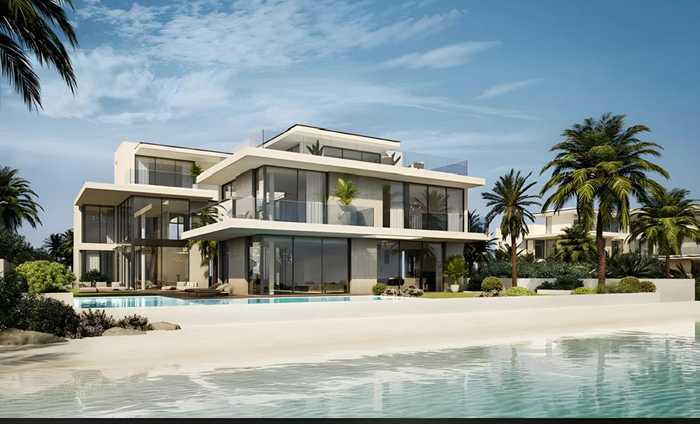
High-quality real estate photography helps accurately convey the layout, condition, and atmosphere of the property, and increases the credibility of the listing.
For effective images, it’s important to follow basic rules: a clean and tidy frame, correct geometry without distortion, natural color rendition, adequate lighting, and a consistent sequence of angles from general to specific.
Equally important are requirements related to rights and safety: obtaining approval for the shoot from the owner and residents, excluding personal data and private information from the frame, careful handling of reflections and documents, and adhering to site rules. A practical checklist and examples can be found on the official lavradar page to help you prepare for a flawless shoot and obtain photos that meet market standards.
Legal Approvals for Real Estate Photography
The right to photograph begins with confirmation of the legal right to be on the property and to capture it in photos/video. Even if filming is being done “for publicity,” it must be coordinated with the owner or authorized representative (agent, management company, or tenant – only within the limits of their rights), and it must also be determined in advance which spaces are accessible and what hours work is permitted.
Special attention is paid to filming in common areas and throughout the complex: lobbies, elevators, corridors, parking, reception, courtyard, and playgrounds. Such spaces are often subject to the property’s internal regulations, so before beginning work, it is important to obtain permission from the administration/management company and clarify restrictions on the use of tripods, lighting, filming security personnel, access control, and escort requirements.
Model Releases and Site Access Coordination
A model release is required if people (owner, tenants, neighbors, employees, security, cleaning staff, and visitors) can be identified in the footage. Consent must cover not only the fact of filming but also the purposes for which the materials will be used: publication in advertisements, on the agency’s website, on social media, in advertising layouts, investor presentations, etc. If consent is not provided, it is safer to frame the shot so that faces and other identifiers are not included in the final materials, or to exclude such images from publication.
Access to the property is best documented in writing: who grants access, what areas it covers, what date and time, what security requirements apply, whether interior items can be moved, cabinets/storage rooms can be opened, apartment numbers/signs, and security system elements can be removed. If the property is rented, it is important to obtain approval not only from the tenant but also from the owner (or verify that the lease agreement expressly permits filming and publication of images) to avoid disputes over the disclosure of layout details, property conditions, and residents’ privacy.
- Written permission from the owner/manager: date, property, address/identification, purpose of filming, list of permitted areas.
- Releases from people in the frame or exclusion of identifying features during editing/selection.
- Approval from the management company/administration for common areas and areas where access control is in effect.
- Restrictions: prohibition on filming security guards, cameras, posts, utility rooms, and other sensitive infrastructure.